Fulham Road gardeners access and parking tips for flats SW6
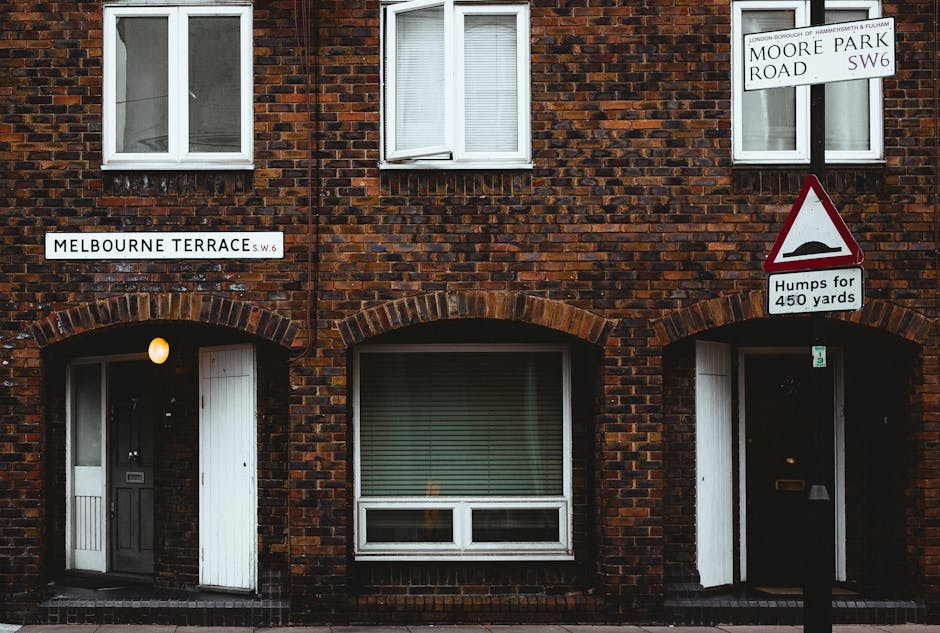
If you live in a flat near Fulham Road, you already know the small things can make or break a garden visit. A van arriving at the wrong moment, a locked communal gate, no clear place to unload, or a tight parking bay can turn a simple tidy-up into a bit of a faff. That is exactly why Fulham Road gardeners access and parking tips for flats SW6 matter. The right plan keeps the job smooth, protects your neighbours' peace, and helps the work start on time instead of with everyone standing around wondering where the hedge trimmer should go.
In this guide, we cover the practical side of flat access in SW6: how gardeners usually get in, where parking issues crop up, what to check before the appointment, and the small details that save time on the day. We will also look at compliance, best practice, and a few mistakes to avoid. Nothing fancy. Just the stuff that actually helps.
Why Fulham Road gardeners access and parking tips for flats SW6 Matters
On paper, gardening is straightforward. A gardener arrives, gets into the garden, does the work, tidies up, and leaves. In flat developments around Fulham Road, though, the practical reality is usually a bit more layered. There may be shared entrances, basement access, residents' parking controls, concierge procedures, or very limited roadside space. Sometimes the rear garden is only reachable through the building. Sometimes the only sensible unloading point is half a street away.
That matters because access affects the whole service. If the team cannot unload tools safely, if they have to carry heavy waste bags too far, or if they need repeated trips through a communal hallway without warning, the job takes longer and can become disruptive. For residents, that can mean noise, blocked pathways, and avoidable friction. For the gardener, it can mean lost time and a less efficient visit. Truth be told, most of the headaches on these jobs come from logistics, not the plants.
Good access planning also helps with trust. When a homeowner or managing agent gives clear directions, the appointment feels organised. The gardener can turn up ready to work, not spend the first ten minutes checking which gate code works or whether a loading space is available. That sort of detail sounds minor, but in busy SW6 streets it makes a real difference.
If you are arranging ongoing upkeep rather than a one-off visit, the benefit compounds. A repeat gardener who knows the layout, the parking pattern, and the best time to arrive can work more confidently and more quickly. That is one reason many clients pair access planning with regular garden maintenance or a broader services overview so everything feels coordinated rather than improvised.
How Fulham Road gardeners access and parking tips for flats SW6 Works
Most flat-based garden visits in SW6 work best when the booking includes three things: access instructions, parking guidance, and a quick note about waste removal. Simple, yes, but you would be surprised how often one of those gets missed.
Access usually falls into one of a few patterns:
- Direct garden access from a side gate, rear alley, or shared path.
- Internal access through the building, which may mean a hall, corridor, lift, or basement route.
- Managed estate access where a concierge, porter, or building manager opens gates and confirms permitted working areas.
- Restricted access where the gardener needs a resident present, a code, or a specific appointment window.
Parking is the other half of the puzzle. In some stretches of Fulham Road and nearby streets, parking can be tight, timed, or shared with residents and visitors. A gardener may need to use a paid bay, a loading area, or legal on-street parking a short walk away. In some cases, they will park once and carry tools in one go. In others, they may need to move the vehicle after unloading. There is no single perfect method; the best setup depends on the property and the time of day.
A useful way to think about it is this: access gets the gardener in, parking gets the work done efficiently. If either one is unclear, everything slows down. For flats, that can be the difference between a tidy one-hour session and a half-day shuffle of people, bags, and garden tools. Not ideal.
In practical terms, good booking notes should answer questions like: Where should the van stop? Which door or gate is being used? Is there a buzz-in system? Are there any low ceilings, narrow stairwells, or resident-only areas? Can green waste be left in a bin store, or does it need to be removed from site? A few lines of detail can save a lot of back-and-forth later.
Key Benefits and Practical Advantages
Getting access and parking right is not just about convenience. It directly improves the quality of the visit. Here are the main advantages, in plain English.
- Faster start times: The gardener arrives and can begin work without hunting for entry or ringing the wrong flat.
- Less disruption: Good planning reduces hallway traffic, repeated calls, and unnecessary noise for neighbours.
- Safer handling of tools: Clear unloading points mean less carrying through awkward spaces.
- Better job pricing: A well-described access route helps the quote reflect the real job, not guesswork.
- Cleaner finish: Waste, soil, cuttings, and packaging can be dealt with in one controlled plan.
- More reliable repeat visits: Once access is understood, follow-up visits are smoother and often quicker.
There is also a trust benefit that people sometimes overlook. When a service provider asks sensible questions about parking, entry, and refuse handling, it usually signals they are thinking ahead. That is reassuring. You are less likely to end up with a van blocking the wrong entrance or clippings dumped in an inconvenient corner of the shared garden.
And for anyone arranging a bigger tidy-up, access planning matters even more. A job involving hedge cuts, lawn work, planting adjustments, or clearance is far easier to manage when the team can move freely. If the visit may involve heavier waste or overgrown material, it can help to review options such as garden clearance, hedge trimming, or even lawn mowing as part of the plan.
Who This Is For and When It Makes Sense
This topic is especially relevant if you live in, manage, or let a flat in SW6. That includes private owners, tenants with garden responsibility, block managers, letting agents, and landlords who want the outside space looked after without creating complaints downstairs.
You will get the most value from this advice if any of the following sounds familiar:
- the garden belongs to a ground-floor flat but access runs through a communal entrance
- parking on your street is controlled or rarely available for long periods
- the gardener needs to bring equipment through a narrow side passage
- there is a shared bin area, cycle store, or basement route that needs care
- you want repeat maintenance visits rather than a one-off rescue job
It also makes sense for people who are planning seasonal work. Spring and early summer can be busy, and by late summer the garden may need more frequent cutting back than expected. That is usually when access issues start to show. A missed code, a full parking bay, or a locked service gate feels small at 8 a.m., but by 11 a.m. it can throw the whole schedule off.
For larger or more complex gardens, access planning can sit alongside broader work such as landscape gardening or landscaping. If the space includes decking, raised beds, or structural elements, there may be extra practical considerations too, especially where tools and materials need to be carried through shared areas.
Step-by-Step Guidance
Here is a simple way to handle access and parking before the appointment. It is not complicated, but it does need a little care.
- Confirm the exact property access route. Ask which entrance should be used and whether the gardener should enter through the main door, side gate, or a service entrance.
- Share any codes, names, or contact details. If the gardener needs to call on arrival or check in with a concierge, say so clearly. No one enjoys standing outside in drizzle waiting for a reply.
- Explain parking options in advance. Mention resident bays, visitor bays, loading restrictions, and any time limits. If the best place to stop is a short distance away, say that too.
- Describe the walking route. If tools or waste need to be carried through a hallway, note whether it is narrow, carpeted, lift-served, or sensitive to dirt.
- Flag any safety or neighbour concerns. For example, shared courtyards, pet access, school-run times, or quiet hours.
- Confirm what the gardener is expected to remove. Green waste, soil, broken pots, and general clutter all need different handling. If there is a bulky job, the gardener may advise on garden clearance.
- Agree the arrival window. For flats, a tight time range is often better than an open-ended day slot. It helps residents plan around the visit.
- Check if there is somewhere safe to stage tools. A dry landing, courtyard corner, or garden edge can make the work much smoother.
If you want the short version: tell the gardener where to get in, where to park, and where the waste goes. That alone solves a surprising number of problems.
Expert Tips for Better Results
After enough jobs like this, a few patterns become obvious. The smooth ones are rarely the ones with the fanciest equipment. They are the ones with the clearest instructions.
Tip one: send a photo before the visit. A quick picture of the gate, rear path, resident parking sign, or access door can be more useful than a long description. You do not need to overthink it. A phone shot in daylight is usually enough.
Tip two: be honest about the parking reality. If parking is often unavailable before 10 a.m., say so. If the van must avoid a loading bay after a certain time, mention it. Guessing rarely helps.
Tip three: plan for wet weather and muddy boots. London weather can turn quickly, and a damp morning can make communal areas messy if the route is not thought through. A mat, sheet, or shoe cover can save complaints later.
Tip four: keep one person as the main contact. Too many points of contact means mixed messages. One organiser, one message, one plan. Easy.
Tip five: schedule recurring work at a stable time. Weekly or fortnightly maintenance is usually easier to manage when arrival timing is predictable. The team learns the building, the neighbours get used to the routine, and access problems tend to fade out.
One small practical observation from real jobs: if there is a resident parking bay near the entrance, make sure everyone knows whether it is being used for unloading only or for the full visit. That distinction matters more than people expect. It sounds dull, I know, but it saves awkward calls back and forth.
For homes where the garden forms part of a broader external upgrade, the same planning approach works well with decking services or a more complete landscape gardening project. The more materials involved, the more helpful access planning becomes.
Common Mistakes to Avoid
Most access and parking problems are avoidable. The awkward bit is that they are usually avoidable in the simplest possible way: by saying a few extra things before the day.
- Assuming the gardener knows the building. Unless they have been there before, they will not know which buzzer to use or which entrance is easiest.
- Forgetting to mention restricted parking. A road that looks fine at midday may be a nightmare at 8 a.m. or during school drop-off.
- Not checking gate or door width. Larger tools, wheelbarrows, and sacks need room to move.
- Leaving waste handling vague. "Just take the cuttings away" sounds simple, but it helps to say where they are coming from and how much there may be.
- Booking during the busiest household hour. If residents are coming and going, the work can feel intrusive.
- Ignoring neighbour sensitivities. Shared living is shared living. A little warning goes a long way.
Another common issue is leaving the gardener to guess the best unloading spot. That can lead to circling the block, which nobody wants. A proper note, even a short one, is better than a perfect apology after the fact.
And yes, sometimes the "obvious" entrance is not the right entrance. The rear gate may be faster, or the side passage may be the only route that avoids dragging gear through the lobby. A quick rethink at the start saves hassle later. Simple as that.
Tools, Resources and Recommendations
You do not need special equipment to organise access well, but a few practical tools help a lot.
- A site photo of the entrance, parking sign, or gate
- A short written access note with the key details in one place
- A contact mobile number for the person who can answer on arrival
- A simple parking plan showing where a van may stop or unload
- A waste plan for clippings, bags, and any bulky garden debris
If you are arranging a broader service package, it can also help to review the provider's general standards before booking. Pages like about the team, health and safety policy, and insurance and safety can give reassurance about how they work. For payment questions or admin, payment and security and pricing and quotes are worth a look too.
There is also a quieter but important point here: if you are dealing with regular garden waste, consider whether sustainability matters to you. Many people in SW6 do. A service that thinks carefully about sorting and disposal is usually easier to trust. You can also read more about recycling and sustainability if that matters to your household or building.
For one-off heavy jobs, especially when the space has been left untidy for a while, it can be useful to combine access planning with a more complete tidy-up approach. That is where garden maintenance and garden clearance can work hand in hand.
Law, Compliance, Standards, or Best Practice
For flat-based garden work, the main compliance issues are usually practical rather than dramatic. You are typically looking at safe access, reasonable noise control, lawful parking, and responsible handling of waste and tools. No one wants a neighbour dispute over a blocked entrance or a wheelbarrow left in the wrong place.
Best practice usually includes the following:
- Respect shared spaces such as hallways, stairwells, courtyards, and bin stores.
- Keep walkways clear so residents can move safely.
- Avoid damaging surfaces with muddy boots, sharp tools, or dragging heavy bags.
- Follow parking rules for the street, estate, or managed property.
- Handle waste responsibly and avoid leaving cuttings where they obstruct others.
If you are a landlord, managing agent, or block resident coordinator, it can help to treat access notes like any other maintenance instruction. Clear written guidance reduces confusion and gives everyone a record to refer to. That is especially useful when several contractors use the same building.
For gardeners themselves, working safely in flats often means carrying less at once, using proper lifting habits, and taking care on stairs or uneven paths. A job that looks quick can still be physically awkward. Better to slow down than strain your back for the sake of being impressive. Nobody gets a medal for that.
Where your property has more complex structures, such as terraces, decking, or taller planting, the safest route may involve a broader plan with trained help rather than a rushed same-day fix. This is why many clients prefer a provider with a clear policy framework and a consistent approach to work standards.
Options, Methods, or Comparison Table
Different access and parking setups suit different flat layouts. Here is a simple comparison to help you choose the easiest approach for your situation.
| Approach | Best for | Pros | Watch-outs |
|---|---|---|---|
| Resident or visitor bay near the entrance | Flats with decent street parking or managed bays | Quick unloading, less carrying, simpler start | May be time-limited or unavailable at busy times |
| Short-stay unloading only | Busy roads where parking is restricted | Useful for dropping tools and waste quickly | Needs discipline; the vehicle may need moving soon after |
| Access through communal entrance | Basement or rear gardens behind a block | Often the most direct route to the work area | Requires clear instructions, care for shared spaces, and a contact person |
| Gardener parks further away and walks in | Streets with limited stopping space | Can still work well with light equipment and good planning | Slower setup and more carrying, especially for waste |
In practice, the best option is usually the one that matches the amount of work. For a light tidy-up, walking in from a nearby parking spot may be perfectly fine. For a larger maintenance visit, closer access makes a noticeable difference. A good provider will help you think this through instead of forcing one standard method onto every flat. That would be a bit silly, to be honest.
Case Study or Real-World Example
Picture a ground-floor flat just off Fulham Road. The garden sits behind the building, reached through a communal side passage. The resident wants a hedge cut back, the lawn tidied, and the beds cleaned up before a weekend gathering. Nothing extreme. But the building has a locked side gate, the street parking is tight, and the main entrance sees a steady trickle of neighbours coming and going in the morning.
The smoothest plan in a case like this is usually simple:
- the resident sends a photo of the side gate and parking sign
- the gardener is given the code or a contact number for entry
- a short unloading stop is agreed for early arrival
- the waste is bagged and moved out in one organised run
- any noisy work is done before the building gets busy
What changes the experience is not the size of the garden. It is the orderliness of the plan. The work itself might only take a couple of hours, but without the right access notes it can feel longer and more stressful for everyone involved.
A small win here often leads to a better long-term arrangement. Once the route is understood, future visits become easier. The gardener knows where to park, the resident knows what to expect, and the whole thing stops feeling like a puzzle every time. That is the real benefit, if we are being honest.
Practical Checklist
Use this checklist before the appointment. It is short, but it covers the main points that matter most for flats in SW6.
- Have you confirmed the correct entrance or gate?
- Have you shared any access codes, buzzers, or concierge instructions?
- Have you explained where a van can stop, park, or unload?
- Have you checked if there are time restrictions for parking or loading?
- Have you warned the gardener about narrow halls, stairs, or lifts?
- Have you agreed how green waste will be handled?
- Have you told residents or neighbours if the work may be noisy?
- Have you cleared a path to the garden or store area?
- Have you provided a direct mobile number for arrival day?
- Have you set a realistic time window for the visit?
Expert summary: The best flat-garden jobs in Fulham Road are rarely the ones with the biggest budget. They are the ones with the clearest access notes, sensible parking expectations, and a little respect for the shared building around them.
Get a free quote today and see how much you can save.
Conclusion
Fulham Road gardeners access and parking tips for flats SW6 are really about making everyday life easier. A clear entry route, sensible parking plan, and a few thoughtful notes about shared spaces can turn a potentially awkward visit into a calm, efficient one. That is good for the gardener, good for the building, and good for you.
If you are planning a one-off tidy-up, a seasonal refresh, or regular upkeep, start with the practical details. Where does the gardener enter? Where do they stop? What needs protecting? Once those questions are answered, everything else tends to fall into place. And that is often the difference between a visit that feels stressful and one that just quietly gets done.
In a busy part of London, that kind of smoothness is worth a lot. One less thing to chase. One less thing to worry about. Nice, really.
Frequently Asked Questions
What information should I give a gardener before they visit a flat in SW6?
Give them the correct entrance, any access codes, the best parking or unloading point, and a quick note about shared spaces. If the route is awkward, say so. Clear instructions are much better than assumptions.
Do I need to reserve parking for a gardener on Fulham Road?
Not always, but it helps to explain the parking situation as early as possible. If there is resident parking, loading-only space, or a visitor bay, share the details so the gardener can plan properly.
What if the gardener has to walk some distance from where they park?
That is fine for lighter visits, though it may affect timing and how much equipment can be carried at once. For bigger jobs, closer access is usually better. A little extra walking is manageable; dragging half the garden across the street, less so.
How do I handle access if the garden is only reachable through the building?
Tell the gardener exactly how to get through the building and who they should contact on arrival. If the route involves a hallway or lift, it is worth mentioning any protection needed for floors or walls.
Can a gardener use visitor parking for a flat visit?
Sometimes, yes, if building rules allow it. The key is to check the local arrangements and make the gardener aware of any time limits. Visitor parking is helpful, but only if it is genuinely available.
What should I do about neighbours or the building manager?
If the work is likely to create noise, movement, or temporary disruption, let the relevant people know in advance. In shared buildings, a short warning often prevents unnecessary complaints later.
Is it better to book morning or afternoon garden work for flats?
That depends on parking and resident traffic. In many cases, a quieter window is best. Early visits can be efficient, but they may also clash with school runs or commute traffic. There is no universal answer, which is mildly annoying but true.
What kind of jobs benefit most from access planning?
Jobs involving hedge cutting, lawn care, garden clearance, and larger maintenance visits benefit most. The more tools, waste, or movement involved, the more valuable clear access becomes.
How can I make recurring garden maintenance easier for a flat?
Keep the access instructions consistent, use the same contact person where possible, and choose a regular time slot that works for the building. Repeat visits become much smoother once the routine is established.
What if the parking situation changes at short notice?
Let the gardener know as soon as possible. A quick message can prevent delays and wasted time. If access becomes tighter than expected, the team may adjust the arrival time or unloading method.
Do I need to worry about waste removal from flat gardens?
Yes, especially if the job creates a lot of cuttings, soil, or bulky debris. It is best to agree in advance how waste will be handled and whether the gardener is expected to remove it from site.
How do I know if a gardening company is set up for flat access jobs?
Look for clear communication, sensible questions about parking and entry, and a professional approach to safety and scheduling. Pages such as about the team, health and safety policy, and insurance and safety can help you judge that.
What is the simplest way to avoid access problems altogether?
Send the gardener three things before the visit: how to get in, where to park, and what to do with the waste. That simple habit solves more problems than people expect. Honestly, it is a bit boring, but it works.