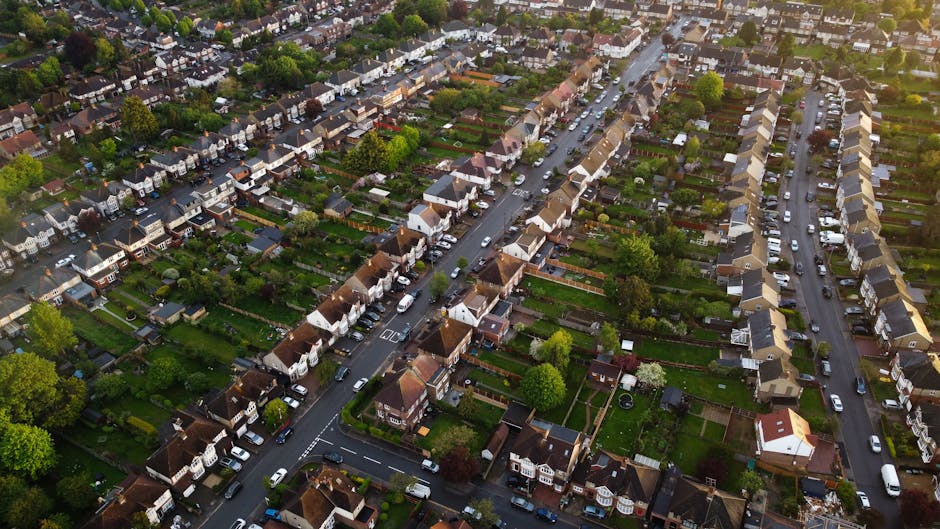
Tree Protection Order Rules for Parsons Green Gardeners and Owners
If you garden, manage, or own property in Parsons Green, tree work is rarely as simple as "trim it and tidy it up." A protected tree can come with formal controls, and the wrong cut, removal, or root disturbance can become an expensive problem very quickly. The good news? Once you understand the basics of tree protection order rules for Parsons Green gardeners and owners, the whole process becomes much easier to navigate.
This guide explains what a tree protection order usually means in practice, how the rules affect routine garden work, what owners and gardeners should check before starting, and how to avoid the kind of awkward surprises that turn a Saturday job into a headache. Truth be told, a little caution goes a long way here.
For readers who want professional support with broader garden maintenance or tree-related planning, you may also find the services overview useful, along with the company's about us page if you want to understand who is behind the service.
Table of Contents
- Why Tree protection order rules for Parsons Green gardeners and owners Matters
- How Tree protection order rules for Parsons Green gardeners and owners Works
- Key Benefits and Practical Advantages
- Who This Is For and When It Makes Sense
- Step-by-Step Guidance
- Expert Tips for Better Results
- Common Mistakes to Avoid
- Tools, Resources and Recommendations
- Law, Compliance, Standards, or Best Practice
- Options, Methods, or Comparison Table
- Case Study or Real-World Example
- Practical Checklist
- Conclusion
- Frequently Asked Questions
Why Tree protection order rules for Parsons Green gardeners and owners Matters
Tree protection rules matter because they protect more than just the tree itself. In a place like Parsons Green, mature trees often shape the feel of a street, shade gardens, support wildlife, and add a lot of character to private and shared spaces. They can also be surprisingly sensitive to the wrong kind of attention. A few well-meaning cuts can alter the structure of a tree for years.
For gardeners, the biggest issue is uncertainty. Many people can tell when a tree is large or old, but not whether it is protected, whether work needs consent, or whether an apparently minor job such as crown reduction, stump grinding, or root pruning could require permission. Owners face a different pressure: they are usually responsible for the tree, but not always the person carrying out the work. That split responsibility is where mistakes happen.
There is also a practical side. If a tree is protected and work is done without the proper approvals, the consequences may include enforcement action, repair costs, delays to a project, and disagreements between neighbours. In a tight urban setting, those disputes can feel very personal. You hear the saw, you see the branch pile up, and then the email arrives. Not ideal.
A sensible approach protects you on several fronts:
- it reduces legal and financial risk
- it helps preserve healthy, well-shaped trees
- it avoids neighbour complaints and misunderstandings
- it supports better planning for garden design and access
If you want a service provider that also takes compliance seriously, the company's health and safety policy and insurance and safety information are sensible places to look before booking any work.
How Tree protection order rules for Parsons Green gardeners and owners Works
At a practical level, tree protection order rules usually mean that certain trees cannot be cut, felled, topped, lopped, uprooted, or otherwise altered without permission from the relevant local authority. The exact details depend on the type of protection in place, but the pattern is broadly the same: if a tree is protected, the threshold for action is higher.
The most common point of confusion is that protection does not always apply only to the trunk. Roots, branches, crown shape, and even changes that look "small" can be relevant. A hedge or mixed planting may also contain individual trees that are protected, which is where a quick visual check is not enough.
In plain English, here is how the process usually works:
- Someone identifies a tree that may be protected or conditionally protected.
- The owner or gardener checks whether planned work affects the tree's structure, health, or roots.
- If the work is significant, permission may be needed before anything starts.
- If approval is granted, the work should follow the terms exactly, including scope and timing.
- Any follow-up care should respect the tree's recovery and the site's safety needs.
That sounds straightforward, but the tricky bit is deciding what counts as "significant". A dead branch over a path is not the same as reducing the crown for better light. A gardener moving a spade a few inches is not the same as excavating around roots for landscaping. Context matters. A lot.
When in doubt, a professional assessment can save time. It is usually better to pause and ask the question than to guess and hope for the best. Gardening by intuition is lovely; tree protection compliance, less so.
Key Benefits and Practical Advantages
Following tree protection order rules is not just about avoiding trouble. Done properly, it can improve the long-term quality of the garden and the tree itself.
- Healthier trees: Properly planned work reduces the chance of poor cuts, stress, or disease entry points.
- Better garden design: Knowing what can and cannot be changed helps you design borders, patios, and planting schemes with confidence.
- Fewer disputes: Clear checks and permissions reduce neighbour friction, especially where branches or roots cross boundaries.
- More predictable costs: Checking the rules early prevents rework, delays, and surprise remedial jobs.
- Safer work: Protected trees are often mature or structurally important, which means a more careful approach is usually wise anyway.
One of the less obvious benefits is that a protected-tree mindset often improves the whole garden. People become more thoughtful about access, mulching, soil compaction, and where heavy tools go. That extra care makes a difference, especially in smaller Parsons Green plots where every square metre gets used hard.
Expert summary: the main win is not bureaucracy for its own sake. It is better decisions. Less guesswork, fewer rushed cuts, and a garden that stays both attractive and compliant.
Who This Is For and When It Makes Sense
This topic matters to more people than you might expect. If you own a home with mature trees, manage a rental property, maintain a shared garden, or look after a courtyard for a small business, tree rules can affect your plans. Gardeners working for private clients should also understand the basics, because they are often the first people asked to "just do a quick tidy-up".
It makes particular sense to pay attention if:
- you are planning pruning, reduction, or removal
- a tree sits close to a boundary, wall, or building
- roots may be affecting paving, drains, or hard landscaping
- you are replanting or redesigning part of the garden
- the tree looks old, substantial, or visually important to the street
Owners usually need the clearest overview because they carry the responsibility. Gardeners need practical awareness because they are the people on the ground, with tools in hand and a client expecting action. And if you are a tenant or managing agent, you may need to check who actually has authority to approve work. That part gets messy surprisingly fast.
For people budgeting ahead, the company's pricing and quotes page can help set expectations before any site visit is arranged.
Step-by-Step Guidance
Here is a sensible way to handle tree protection order rules without overcomplicating things.
1. Identify the tree and the proposed work
Start by being specific. Is it pruning, crown thinning, crown reduction, deadwood removal, root work, stump work, or full removal? "Tidying up" is not enough detail when compliance matters. Write down exactly what you want done.
2. Check whether the tree may be protected
Look at the tree's size, age, prominence, and whether it seems part of a wider conservation or planning context. If the answer is unclear, treat it as a live issue rather than assuming it is unprotected. That extra five minutes can save a week later on.
3. Confirm who owns the tree and who controls the work
This sounds basic, but it often gets muddled in shared gardens, leaseholds, and boundary situations. The person planting the shrub is not always the person authorised to approve tree work. Get that straight first.
4. Decide whether permission is needed before starting
If the work affects the structure or health of a protected tree, permission may be required. More routine maintenance may still need careful checking. When in doubt, ask before booking ladders, ropes, or machinery.
5. Use an appropriate method
Once the work is agreed, choose the least harmful method that still achieves the objective. For example, removing dead wood is different from heavy reduction. A professional tree worker will usually tailor the approach to species, season, and the tree's condition.
6. Keep records
Hold onto emails, approvals, and any notes about the agreed scope. If neighbours later query what happened, clear records are very handy. Paperwork is not glamorous, but it is remarkably soothing when things get awkward.
7. Monitor the tree after work
After any substantial work, watch for stress, dieback, or changes in the canopy. A healthy response can take time. If the tree looks unhappy, deal with it early rather than waiting for visible decline.
Expert Tips for Better Results
In our experience, the best outcomes come from people who slow down slightly at the start and speed up only once the facts are clear.
- Take photos before any work: a few clear images of the tree, the boundary, and the proposed work can prevent later confusion.
- Ask about species-specific sensitivity: some trees tolerate pruning better than others, and a one-size-fits-all approach can be rough.
- Protect roots as carefully as branches: heavy vehicles, deep digging, and repeated foot traffic can all be damaging.
- Plan around the garden's daily use: if the family uses the path every morning, or the neighbour's kitchen window faces the tree, timing matters.
- Choose a calm weather window: damp ground, gusty days, and poor visibility make tree work harder and less precise.
One small but useful habit: ask the contractor to explain the intended cut in ordinary language before starting. If they can't explain it clearly, that is a bit of a flag. Not necessarily a disaster, but worth listening to.
And yes, sometimes the right answer is "do less." That is not laziness. It is often good arboricultural judgement.
Common Mistakes to Avoid
Most tree protection problems do not start with bad intentions. They start with assumptions.
- Assuming a tree is unprotected because it looks ordinary: many protected trees are not dramatic-looking specimens.
- Starting work before permission is confirmed: "We'll sort the paperwork later" is exactly how avoidable problems begin.
- Mixing up routine maintenance with structural change: deadwood removal and crown reduction are not the same thing.
- Ignoring roots near paving or drains: root damage can be more serious than it first appears.
- Over-pruning to solve a short-term issue: a quick fix can create long-term imbalance, stress, or regrowth issues.
- Failing to coordinate with neighbours or managing agents: shared boundaries and shared gardens need clear communication.
A very human mistake is to feel slightly embarrassed and then push on anyway. Happens all the time. Better to ask a simple question now than make a complicated apology later.
Tools, Resources and Recommendations
You do not need a complicated toolkit to handle tree-protection questions well. You need the right information, a decent record of the site, and a sensible process.
- Site photos: useful for checking canopy spread, boundary lines, and access issues.
- A simple garden plan: even a rough sketch helps show where roots, walls, paths, and sheds are located.
- Written instructions: helpful when a gardener or contractor is being briefed by an owner or managing agent.
- Service records: note dates, work types, and any approvals or conditions.
- Professional advice: especially valuable where the tree is mature, near structures, or part of a more complex garden layout.
If you are comparing services, it can also help to review a provider's terms and conditions and their insurance and safety information, especially for work involving ladders, power tools, or access through tight spaces.
For customers who care about how garden waste is handled, the recycling and sustainability page is a useful reminder that tree work should not be thought of as just cut-and-clear. Good practice includes responsible disposal and, where suitable, reuse.
Law, Compliance, Standards, or Best Practice
Tree protection order rules are rooted in local planning control and broader duties around responsible tree management. The exact legal details can vary depending on the tree, location, and type of protection in place, so it is wise to treat this area carefully. This article is practical guidance, not legal advice.
In general, the safest best-practice approach is to:
- confirm the tree's status before work begins
- check whether the proposed task changes the tree's structure or condition
- obtain the right permission where required
- use qualified, insured people for technical tree work
- retain clear records of decisions and approvals
Industry best practice also places a strong emphasis on competence, site safety, and proportionate intervention. That means using methods that suit the tree rather than forcing the tree to fit the method. A mature tree with a narrow root zone near a terrace needs a much gentler plan than a young specimen in an open bed.
Where trees affect shared boundaries or access routes, it is also sensible to document who agreed what. If there is a later disagreement, calm records speak louder than memory. Memory, let's be honest, can become very selective when a branch lands in the wrong place.
Options, Methods, or Comparison Table
Different kinds of tree work create different levels of compliance risk and practical impact. This table gives a simple comparison.
| Work type | Typical use | Compliance sensitivity | Practical note |
|---|---|---|---|
| Deadwood removal | Removing dead or failing branches | Usually lower, but still check status | Can improve safety without changing the tree's shape much |
| Light pruning | Small adjustments for clearance or tidiness | Moderate | Should be proportionate and carefully judged |
| Crown reduction | Reducing height or spread | Higher | More likely to need formal checking and skilled execution |
| Root work | Managing roots near paving, drains, or foundations | High | Often overlooked, but can have major consequences |
| Removal | Felling or taking out the tree | Very high | Usually the most sensitive option and the one that needs the most scrutiny |
In simple terms: the more the work changes the tree's structure or the site's character, the more carefully it should be checked. That's the rule of thumb worth remembering.
Case Study or Real-World Example
A Parsons Green homeowner notices a mature tree near a rear boundary. It casts shade over the patio, drops leaves into the gutter, and its lower branches brush the fence on windy days. The owner asks a gardener to "take a bit off the top" so the garden feels brighter.
The gardener pauses and checks the situation properly. The tree is not obviously unsafe, but it is substantial and visually prominent. Rather than rushing in, the gardener clarifies the exact objective: more light, better clearance, and no harm to the tree's long-term shape. They then recommend a cautious review before any major work is booked.
That small delay avoids a bigger problem. If the tree had been protected, unapproved reduction could have caused a compliance issue. If it was not protected, an overly aggressive cut could still have stressed the tree and left the canopy uneven for years. Instead, the owner gets a measured solution, and the garden keeps its character.
That is the real lesson. Careful process is not red tape for the sake of it. It is usually what separates a neat result from a costly one.
Practical Checklist
Use this checklist before any tree work begins.
- Have I identified the exact tree?
- Do I know whether the tree may be protected?
- Have I described the work clearly in writing?
- Do I know who owns the tree or who can authorise work?
- Have I checked whether permission is needed first?
- Have I considered roots as well as branches?
- Is the proposed method proportionate to the problem?
- Do I have photos or notes for reference?
- Is the contractor appropriately insured and safety-conscious?
- Have I planned for waste removal and responsible disposal?
Quick takeaway: if you can answer those ten points calmly and clearly, you are already ahead of most rushed jobs.
If you are ready to talk through a real job, the simplest next step is to use the contact us page and explain the tree, the location, and what you want to achieve. A brief conversation at the start often saves a lot of back-and-forth later.
Get a free quote today and see how much you can save.
Conclusion
Tree protection order rules for Parsons Green gardeners and owners are not something to fear, but they do deserve respect. The main job is simple: check first, act carefully, and keep good records. Once you build that habit, the whole process becomes far less stressful.
Whether you are pruning for light, managing roots near paving, or planning more substantial tree work, the best results usually come from steady judgement rather than haste. And in a local area where mature trees can define the look and feel of a garden, that judgement really matters.
Done well, you protect the tree, protect your property position, and keep the garden looking like somewhere people actually want to spend time. That is a decent outcome, all round.
Frequently Asked Questions
What are tree protection order rules in simple terms?
They are the rules that control work on protected trees. In practice, they usually mean you cannot carry out certain types of pruning, removal, or root work without checking whether permission is needed first.
How do I know if a tree in Parsons Green is protected?
You usually need to confirm the tree's status before work begins. If a tree looks mature, prominent, or close to a boundary, do not assume it is unprotected. A quick check is far safer than a guess.
Can a gardener do minor pruning without permission?
Sometimes minor work may be allowed, but you should never rely on "minor" as a blanket rule. The key question is whether the work affects a protected tree in a way that triggers formal control.
Who is responsible: the gardener or the owner?
Usually the owner or the person authorising the work carries the main responsibility, but gardeners can still be affected if they carry out work that should not have happened. It is best for both sides to check carefully.
Does root work count as tree work under protection rules?
It can. Root disturbance is often overlooked, but it may be just as important as branch work because roots affect the tree's stability, health, and long-term condition.
What happens if protected tree work is done by mistake?
The result can depend on the circumstances, but mistakes may lead to enforcement issues, costs, and the need for corrective action. If in doubt, stop work and seek advice as soon as possible.
Is crown reduction always allowed if the tree is too big?
No, not automatically. A tree being large or awkward does not mean it should be reduced heavily. The amount and type of work need to be checked carefully, especially where protection is involved.
Do neighbours need to be told before tree work starts?
Often it is wise to inform them, especially if branches overhang, access is shared, or the work may be visible and noisy. Good communication prevents a lot of unnecessary friction.
How long does it usually take to sort the permissions side?
That depends on the tree, the type of work, and the local process. Some situations are straightforward, while others need more time. Build in a buffer rather than leaving it to the last minute.
What is the safest first step if I am unsure?
Pause the work, identify the exact tree and job, and get professional advice before starting. That is usually the simplest and most cost-effective decision.
Can tree protection rules affect garden redesign projects?
Yes. New patios, planting beds, fences, and access routes can all affect roots or canopy space. If tree protection is in play, it is smart to design around the tree rather than forcing the layout after the fact.
Where can I find practical help from the company?
You can review the services overview, read more about the team on the about us page, or get in touch through the contact us page if you want to discuss a specific garden or tree issue.